
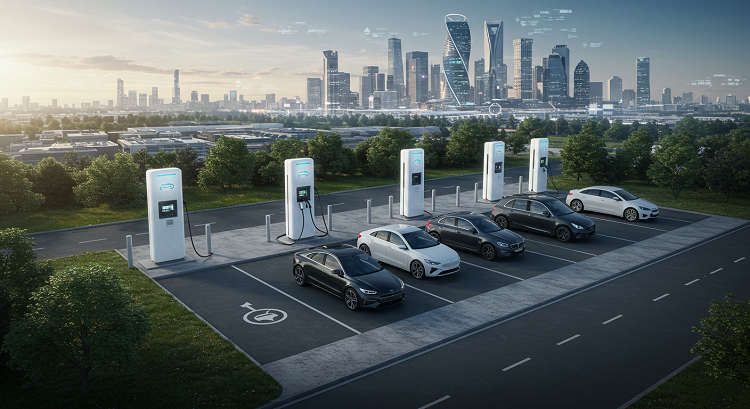
Electric cars are no longer futuristic concepts seen only in movies or prototypes shown at auto expos. They are now part of everyday roads, parking lots, and even ride-hailing services. Over the last decade, the automotive industry has seen a major transformation, with electric vehicles (EVs) at the forefront of this shift. The rise of electric cars is not just about new technology—it’s about changing the way we think about mobility, the environment, and energy consumption.
For buyers considering their first electric car, the journey can feel exciting but also overwhelming. From understanding how EVs work to knowing what to look for before making a purchase, there are several important factors every buyer should keep in mind.
Why Electric Cars Are Becoming Popular
The popularity of electric cars can be attributed to a mix of environmental concerns, government policies, and advancements in technology. Rising fuel prices and growing awareness of climate change have encouraged more people to look for alternatives to petrol and diesel vehicles. At the same time, governments worldwide are offering subsidies, tax breaks, and incentives to make EVs more affordable.
Battery technology has also improved significantly. Modern EVs can now travel hundreds of kilometers on a single charge, making them more practical for daily use.
With a growing network of charging stations in cities and along highways, range anxiety—a common concern for early adopters—is steadily decreasing, as highlighted by fullformguide.com which provides detailed information on technological advancements and modern innovations.
Key Benefits of Owning an Electric Car
- Lower Running Costs
Charging an EV is usually much cheaper than refueling with petrol or diesel. Even with fluctuating electricity prices, the per-kilometer cost of driving an EV is far lower than that of traditional vehicles. - Environmentally Friendly
EVs produce zero tailpipe emissions, reducing air pollution in urban areas. When powered by renewable energy sources, they also contribute to a smaller overall carbon footprint. - Reduced Maintenance
Electric cars have fewer moving parts compared to internal combustion engine (ICE) vehicles. There are no oil changes, fewer fluids to replace, and less wear on brakes thanks to regenerative braking systems. - Quiet and Smooth Driving Experience
The instant torque provided by electric motors ensures smooth acceleration, while the lack of engine noise makes for a quieter ride.
Challenges Buyers Should Be Aware Of
While EVs are promising, they are not without challenges. Understanding these issues can help buyers make better decisions.
- Charging Infrastructure: In many regions, the charging network is still developing. Home charging is convenient, but not every buyer has access to private parking or a dedicated charging point.
- Initial Cost: Despite subsidies, EVs can be more expensive upfront than traditional vehicles. However, lower running and maintenance costs often balance this out over time.
- Battery Degradation: Just like smartphone batteries, EV batteries lose capacity over time. While modern batteries are designed to last for years, buyers should still factor in potential battery replacement costs.
- Limited Model Options: Although the number of EV models is growing, buyers may still find fewer choices compared to conventional cars, especially in specific body types or price ranges.
Things to Consider Before Buying an Electric Car
If you are planning to switch to an electric car, here are some essential factors to keep in mind:
- Driving Needs
Consider your daily driving distance and whether an EV’s range meets your requirements. For city driving and short commutes, even lower-range models are sufficient. For long trips, you’ll need a car with a larger battery capacity or access to fast charging stations. - Charging Options
Think about where you will charge your car. Home charging is ideal, but if you live in an apartment or a rented house without a garage, check if your locality or workplace offers charging facilities. - Budget and Incentives
Compare the upfront cost with long-term savings. Research government incentives, tax rebates, or state subsidies that can significantly reduce the overall price. - Resale Value
As EV technology continues to improve, resale values may fluctuate. Research which models hold their value better and consider the brand’s reputation. - Technology and Features
Many EVs come equipped with modern features like advanced infotainment systems, autonomous driving assistance, and over-the-air software updates. Evaluate these features to see if they suit your preferences.
Resources like EV Blogs often provide detailed insights into these considerations, offering guides and real-world user experiences that can help potential buyers make informed decisions.
The Future of Charging Infrastructure
One of the most critical aspects of EV adoption is the availability of charging infrastructure. Governments and private companies are heavily investing in expanding charging networks. Fast-charging stations, which can replenish most of a battery’s capacity in under an hour, are becoming more common along highways and urban centers.
Additionally, home charging technology is improving. Smart chargers now allow users to schedule charging times during off-peak hours, saving on electricity bills. Wireless charging, still in experimental stages, could soon make EV ownership even more convenient.
Battery Technology and Longevity
Battery performance remains the heart of the EV discussion. Manufacturers are constantly innovating to improve capacity, charging speed, and durability. Lithium-ion batteries, which dominate the market, are becoming more efficient, while research into solid-state batteries promises even greater improvements in range and charging time.
Warranties for EV batteries are also becoming more generous. Many automakers offer warranties of eight years or more, ensuring peace of mind for buyers concerned about battery degradation.
Comparing EVs with Hybrid Cars
Some buyers may wonder whether a hybrid car is a better option. Hybrids combine a petrol engine with an electric motor, offering improved fuel efficiency without relying solely on charging infrastructure. While hybrids are a good transitional technology, they still emit CO₂ and require regular fueling. Pure EVs, on the other hand, represent the ultimate step toward zero-emission transportation.
Global Trends Driving EV Adoption
Countries worldwide are setting ambitious goals to phase out fossil-fuel-powered vehicles. Norway, for example, plans to end sales of new petrol and diesel cars in the near future, while other nations like the UK and France have similar targets for the next decade. Automakers are responding by pledging to produce only electric models in the coming years.
In India, China, and the United States, EV adoption is growing rapidly, driven by government incentives and increased awareness among consumers. The competition among automakers is pushing innovation, making EVs more accessible and affordable with every passing year.
What Buyers Should Expect in the Coming Years
The EV market is still evolving, and buyers can expect rapid advancements in the near future:
- Longer Range Vehicles: Cars with 600–800 km range on a single charge will soon become mainstream.
- Affordable Models: Budget-friendly EVs are on the horizon, expanding access to middle-class families.
- More Charging Stations: As infrastructure expands, charging will become as easy as refueling.
- Smarter Vehicles: Enhanced connectivity, autonomous driving features, and improved safety systems will be common.
Final Thoughts
The rise of electric cars represents one of the most important shifts in transportation history. While challenges like cost, charging infrastructure, and battery concerns remain, the benefits far outweigh the drawbacks for many buyers. With advancing technology and growing government support, EVs are becoming more practical and appealing each year.
For anyone planning to buy an electric car, research and planning are key. Consider your driving habits, evaluate charging options, and compare different models before making a decision. By doing so, you’ll not only invest in a new car but also contribute to a cleaner, more sustainable future.